A phone call asking you to “come in for a chat” is often the most important moment in a case. Talk to Joseph Rahim before you agree to an interview or say anything about the allegation.
Free, confidential first consultation. No obligation.
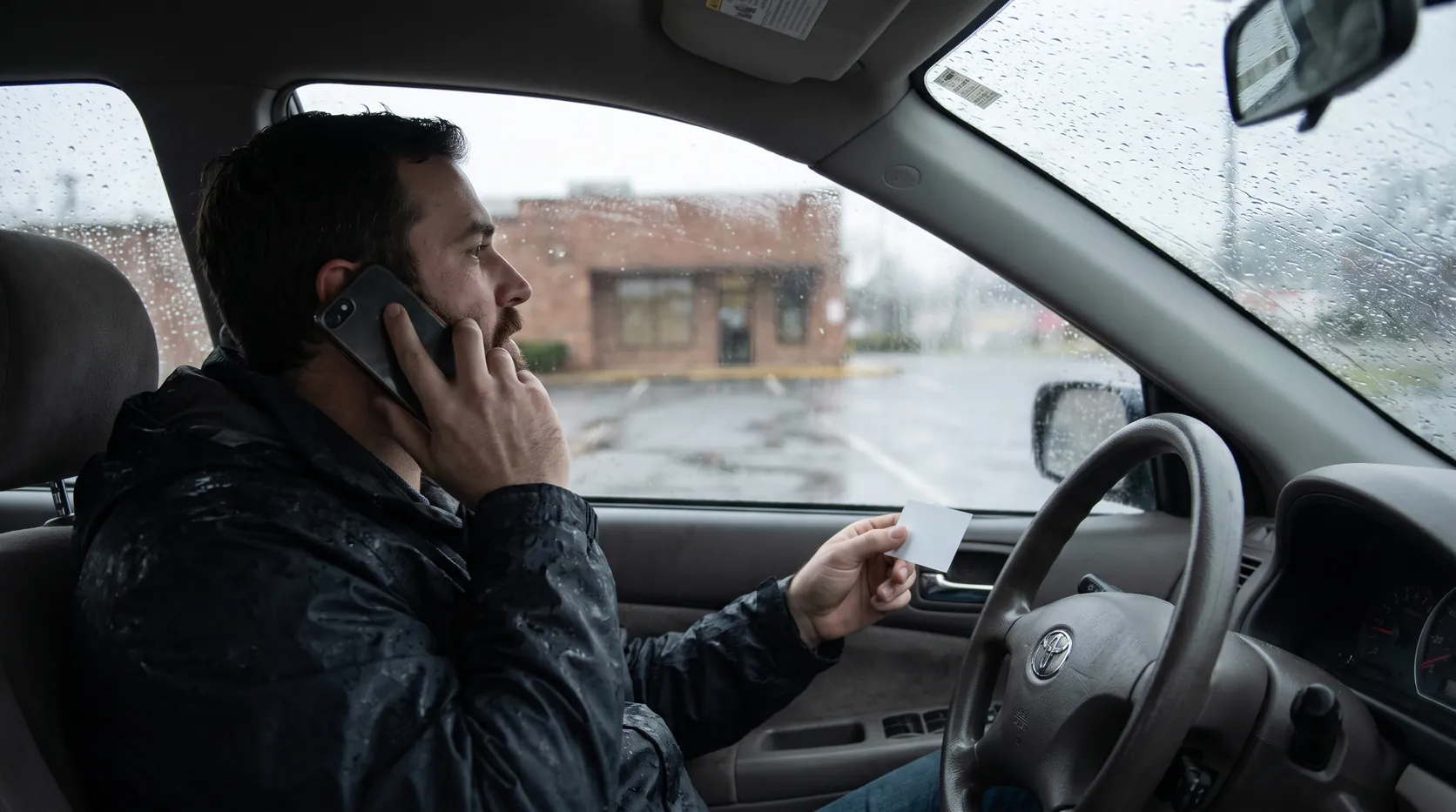
Police can ask for your name and address. Refusing without a reasonable excuse, or giving a false name or address, is an offence. In some matters, such as drug matters, other details are also required.
Beyond that, you do not have to answer questions. In Queensland a court cannot draw an adverse inference from your choice not to answer police questions.
If you are not under arrest, you cannot be forced to go to the police station, and you are free to leave. If you are not sure, ask the officer whether you are under arrest.
Pick the one closest to your situation and a chat opens with it already said. No forms, and you can call instead at any time.
Before questioning, police must tell you that you have the right to remain silent.
Police must tell you that you can contact a friend, relative or lawyer, and delay questioning for a reasonable time so you can. They must not try to talk you out of getting legal advice.
You can ask for an interpreter, including an Auslan interpreter.
Questioning about indictable offences is electronically recorded, and you are entitled to a copy of the recording.
Police can hold you in custody for up to 8 hours, and question you for up to 4 hours of that. They can apply for more time, and must release you if there is not enough evidence to charge you.
If police arrive with a warrant, read it and check your name or address is on it. Do not argue or obstruct, and get legal advice before answering questions.
Anything you say can be used, including to decide whether to charge you. Police do not have to tell you everything they know.
Charges are rarely dropped because of what is said in an interview, and an interview can lead to a more serious charge.
Refusing to give your name and address, or giving a false one, is an offence in itself.
Joseph Rahim, Principal. LLB (First Class Honours), Grad Dip LP. Member, Queensland Law Society. About Joseph
When you call Coral Coast Law, you speak with Joseph Rahim, and he handles your matter himself.

Not if you are not under arrest. You cannot be forced to go to the police station unless you are arrested.
In Queensland, a court cannot draw an adverse inference from your choice not to answer police questions.
Your name and address. In some matters, such as drug matters, other details are also required.
Yes. Police must tell you that you can contact a lawyer, and delay questioning for a reasonable time so you can.
Yes. It is free, confidential and comes with no obligation.
Didn’t see your question? Ask it in chat.
The sooner you get advice, the more can be done. Tell Joseph what has happened and find out exactly where you stand, with no cost and no pressure.
0447 028 080This page is general information about Queensland law. It is not legal advice. Every matter turns on its own facts, so speak with us about yours.