Leaving the scene of a crash can turn a minor matter into a criminal charge, especially if someone was hurt. If police have contacted you, or you think they will, talk to Joseph Rahim before you speak to them.
Free, confidential first consultation. No obligation.
Queensland law sets out what every driver involved in a crash has to do. The duties are in the Transport Operations (Road Use Management) Act 1995 (Qld), and which ones apply depends on what happened.
Under section 93 you must stop and give your name and address, the owner’s name and address and the registration number to the other drivers, anyone injured and the owner of any damaged property.
You must also give your details to police if someone was killed or injured, if you could not give them to everyone, or if a vehicle was towed away. This has to be done as soon as possible, and within 24 hours except in exceptional circumstances.
Under section 92 you must stop immediately, stay at or near the scene, and give whatever help you can to an injured person, including making reasonable efforts to get medical help.
The law allows you to leave only to get medical or other help for the injured person, or, if someone has died, to arrange for their body to be taken to an appropriate place.
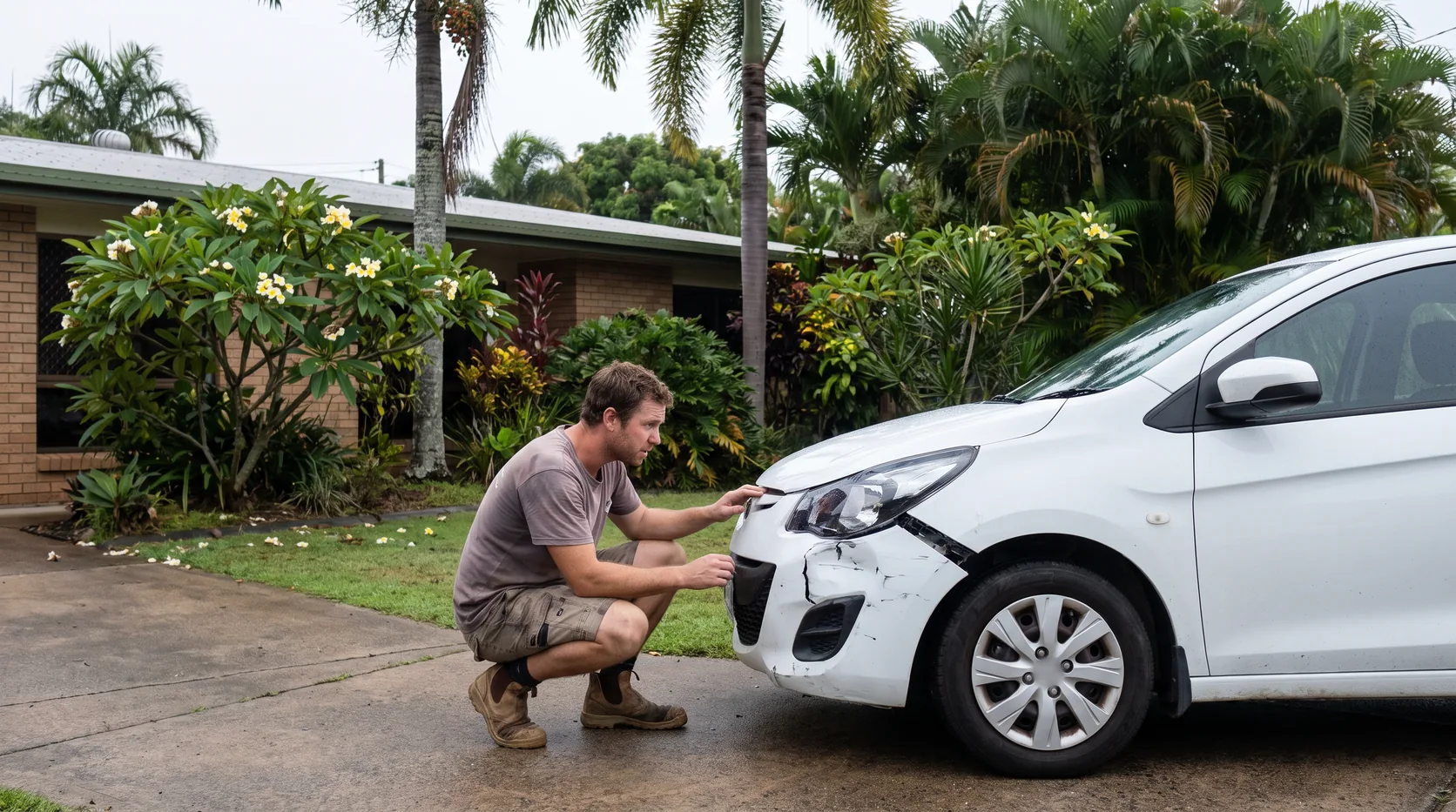
A “crash” is wider than a collision between two cars. It includes hitting a parked car, a fence or an animal in someone’s charge, and any incident involving a vehicle where someone is hurt or property is damaged.
From 1 March 2027. New Queensland dangerous driving laws start. Leaving the scene, other than to get help, stays an aggravating circumstance for dangerous driving that causes death or injury. Offences committed before that date are dealt with under the existing law.
Pick the one closest to your situation and a chat opens with it already said. No forms, and you can call instead at any time.
Often through the registration, CCTV, dashcam or witnesses. The first contact may be a call or a visit to the registered owner.
Police will usually want to know who was driving and what happened. Get advice before you answer their questions.
Charges usually start with a notice to appear or an arrest. Your paperwork shows the offence and the court date.
Most matters start in the Magistrates Court. The most serious charges, such as those under the Criminal Code where someone died or was badly hurt, can go to a higher court.
Where no one was hurt and only property was damaged, the charge is usually failing to stop and give your details, which is far less serious. The facts decide which charge applies, so get advice early.
Many people leave because they are frightened or in shock. The law looks at what you did, so what you say to police about it matters a great deal.
Where you have to report a crash to police, it must be done as soon as possible, and within 24 hours except in exceptional circumstances. If that time has passed, get advice before you contact police.
Knowingly making a false report to police about an incident involving injury or death is a separate offence.
Joseph Rahim, Principal. LLB (First Class Honours), Grad Dip LP. Member, Queensland Law Society. About Joseph
When you call Coral Coast Law, you speak with Joseph Rahim, and he handles your matter himself.

Stop, and give your name and address, the owner’s details and the registration number to the other people involved. If someone is hurt, stay and help. Report to police as soon as possible, and within 24 hours, if someone was injured, a car was towed or you could not give your details to everyone.
You were required to give your details to the owner, or to police if you could not. Get advice before you contact police about it.
If someone was killed or suffered grievous bodily harm and you are convicted of failing to stop and help, disqualification is automatic. In other cases it depends on the charge.
Yes. The law allows you to leave the scene to get medical or other help for an injured person.
Yes. It is free, confidential and comes with no obligation.
Didn’t see your question? Ask it in chat.
The sooner you get advice, the more can be done. Tell Joseph what has happened and find out exactly where you stand, with no cost and no pressure.
0447 028 080This page is general information about Queensland law. It is not legal advice. Every matter turns on its own facts, so speak with us about yours.