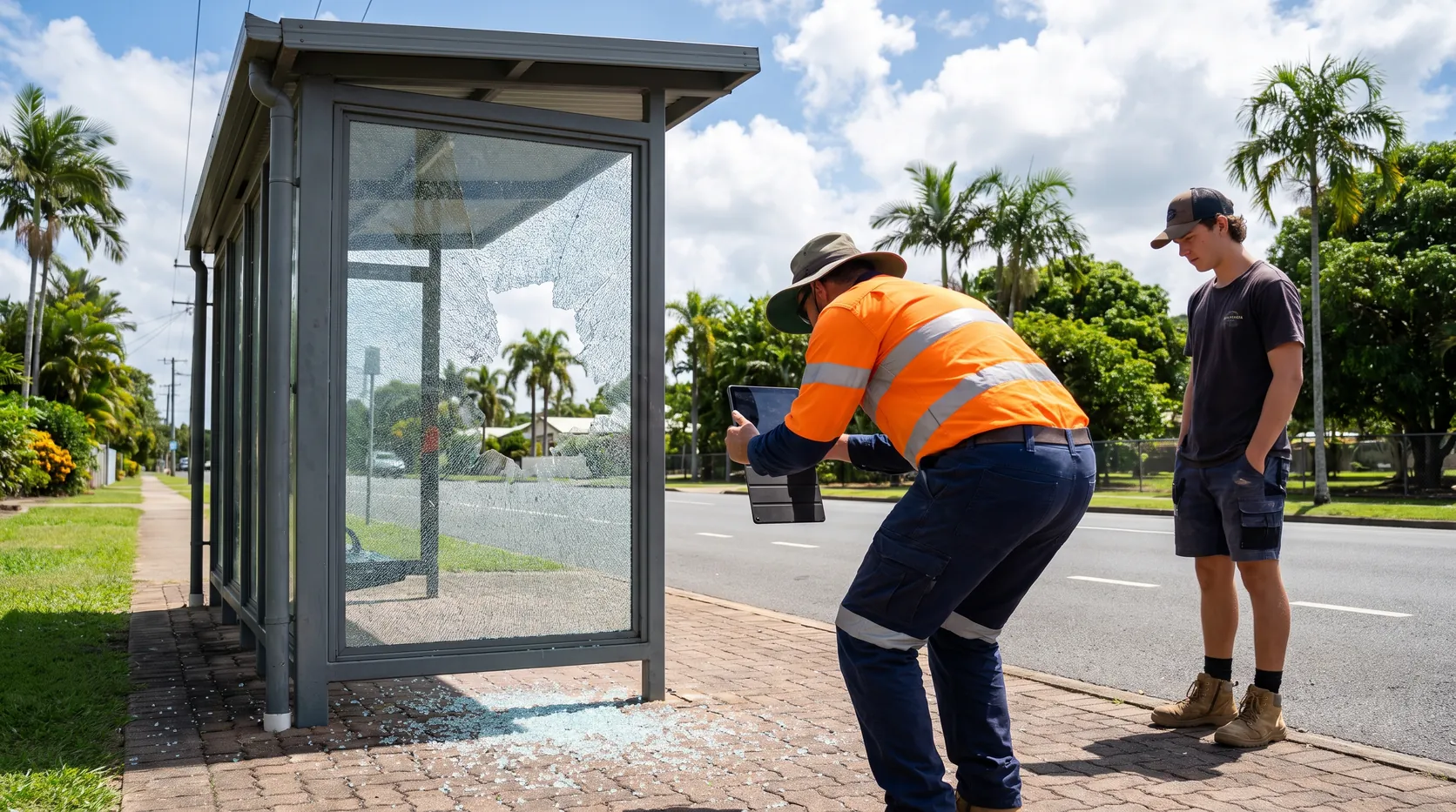
WILFUL DAMAGE

Wilful Damage Charges in Queensland:

What You Need to Know

Section 469 of the Criminal Code 1899 (Qld) aims to protect property by making it an offence to intentionally damage or destroy it. The law’s purpose is to deter vandalism and safeguard the community’s homes, businesses, and public spaces.

Frequently Asked Questions About

Wilful Damage Charges in Queensland


  • What is Wilful Damage?

    In Queensland, wilful damage is an offence under Section 469 of the Criminal Code 1899 (Qld). It applies when a person intentionally and unlawfully damages property, whether that property belongs to an individual, a business, or the community. This includes public spaces and facilities such as parks, bus shelters, or government buildings, as well as private homes and vehicles.


    Wilful damage is treated as a property offence, but a conviction can still result in significant penalties and a criminal record.


  • What’s the penalty?

    - General penalty – under Section 469(1), wilful damage is a misdemeanour punishable by up to 5 years’ imprisonment.


    - Aggravated cases – if the offence is committed with certain aggravating circumstances (for example, under s 52B circumstances of aggravation), the maximum penalty increases to 7 years’ imprisonment.


    - Special cases – the Code also sets out “special cases” where higher penalties may apply depending on the type of property damaged (e.g. if it involves essential services, religious sites, or public infrastructure).


    - Practical outcomes – in most everyday cases (like graffiti or minor property damage), courts usually impose fines, restitution orders, or community‑based orders rather than imprisonment, especially for first‑time offenders.


    While the law allows for imprisonment, most wilful damage charges are dealt with by fines or community orders — but a conviction can still leave you with a criminal record.


  • What must police prove?

    To convict someone of wilful damage under Section 469 of the Criminal Code 1899 (Qld), the prosecution must prove beyond reasonable doubt that the accused:


    - Damaged or destroyed property – the property must have been made imperfect, inoperative, or permanently harmed in some way (even minor damage can be enough).

    - Did so wilfully – the act was intentional, not accidental.

    - Did so unlawfully – without a lawful excuse (for example, without the owner’s consent or legal authority).


    The police don’t need to prove who owned the property, only that it was damaged unlawfully and intentionally.


  • Are there defences?

    If you are charged with wilful damage in Queensland, several legal defences may be available. These include:


    - Accident – the damage was unintentional.

    - Lack of intent – you did not wilfully or deliberately cause the damage.

    - Consent or lawful excuse – you had permission from the owner, or a legal right to damage the property.

    - Honest claim of right – you genuinely believed you had a legal right to act as you did.

    - Duress – you were forced to damage the property because of threats of serious harm.

    - Mistaken identity – the police cannot prove beyond reasonable doubt that you were the person responsible.


    The prosecution must prove the damage was both wilful and unlawful. If a valid defence applies, the charge cannot be made out.


  • What are the consequences of a conviction?

    A conviction for wilful damage in Queensland can carry serious consequences:


    - Penalties – the maximum penalty is 5 years’ imprisonment, or 7 years if the offence involves aggravating circumstances. In practice, most cases are dealt with by fines, restitution (paying for the damage), or community‑based orders.

    - Recording of conviction – if the matter goes to court, the magistrate has discretion under the Penalties and Sentences Act 1992 (Qld) not to record a conviction. However, if a conviction is recorded, it will appear on your criminal history.

    - Practical impacts – a recorded conviction can affect employment, licensing, and travel. Even without a conviction, court orders and restitution can still cause financial and personal stress.


    While many wilful damage charges are resolved with fines, a conviction can still leave you with a criminal record and lasting consequences.


  • How can Coral Coast Law Help?

    Being charged with wilful damage in Queensland can be stressful, even if the incident seems minor. A conviction can leave you with a criminal record, affect your employment, and result in fines or restitution orders.


    At Coral Coast Law, we provide clear, practical advice and guide you through the process. We can help you understand your options, negotiate with prosecutors where appropriate, and work towards minimising the impact of the charge — including seeking outcomes where no conviction is recorded.


Charged with Wilful Damage? Get Urgent Legal Help Today.

Call Coral Coast Law

Being charged with wilful damage in Queensland is a serious matter. Even if the damage seems minor, the courts treat it as an offence against property rights, and a conviction can leave you with a criminal record that may affect your future.


At Coral Coast Law, we understand how stressful these charges can be. We act quickly to protect your rights, carefully examine the evidence, and work towards the best possible outcome — whether that means negotiating with prosecutors, reducing the impact of the charge, or representing you in court.


Don’t delay. Call us today on

0447 028 080 or contact us online for clear legal advice.


Contact Us